

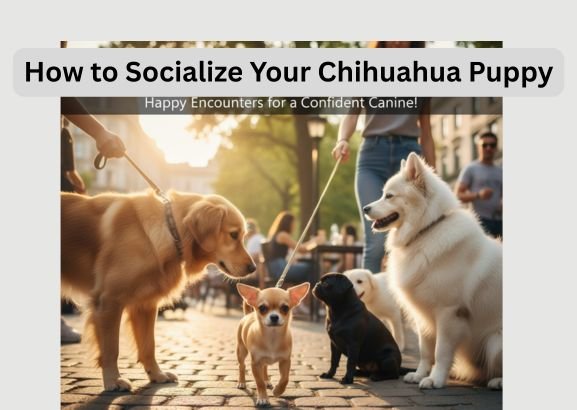

Socialization is one of the most critical investments you can make in your Chihuahua puppy’s development. During the early stages of life, puppies are naturally curious and receptive to new experiences, making this the optimal window for exposing them to diverse environments, people, and situations. Proper socialization establishes the foundation for a confident, well-adjusted adult Chihuahua and helps prevent behavioral issues like fear-based aggression and excessive barking—two traits Chihuahuas are notorious for developing without proper early intervention.
Understanding the Critical Socialization Period
The socialization window for puppies spans approximately 3 to 14 weeks of age, with the most receptive period occurring between 3 and 12 weeks. During this developmental stage, puppies’ brains are exceptionally malleable and primed for learning. Positive experiences during this timeframe create lasting neural pathways that influence their behavioral responses throughout adulthood.
After 14 weeks, puppies become increasingly cautious of unfamiliar stimuli, and the neuroplasticity that facilitated easy adaptation begins to diminish. While socialization remains beneficial throughout a dog’s first year and beyond, the early weeks represent your most valuable opportunity to shape their temperament and confidence levels.
Starting Early: Before Coming Home
Responsible breeders understand the importance of early socialization and begin the process before puppies leave their litters. Quality breeders expose litters to varied auditory stimuli, gentle handling by multiple people, and diverse environmental conditions during the first weeks of life.
When selecting your Chihuahua puppy, inquire about the breeder’s socialization practices. Ask whether puppies have been handled by children, exposed to household sounds (vacuums, doorbells, etc.), and introduced to different textures and surfaces. This early foundation significantly impacts your puppy’s adaptability potential.
Vaccination Considerations
Before initiating extensive socialization outings, consult with your veterinarian regarding vaccination schedules. Most puppies receive their initial vaccinations at 6-8 weeks of age, with boosters administered every 3-4 weeks until 16 weeks old. Many veterinarians recommend completing at least the first round of vaccinations before exposing puppies to public areas where unvaccinated dogs may congregate.
However, delaying all socialization until full vaccination completion risks missing the critical developmental window. Work with your veterinarian to develop a balanced socialization plan that minimizes disease exposure while maximizing developmental benefits. Many veterinarians recommend controlled socialization in secure environments during the early vaccination phases.
Socializing Your Puppy: Key Areas to Focus On
1. People Exposure
Expose your Chihuahua puppy to diverse individuals representing various ages, appearances, and demographics. This includes:
Children: Arrange supervised interactions with gentle, patient children of different ages. Teach children how to hold and pet your tiny puppy appropriately, as Chihuahuas are delicate and prone to injury from rough handling.
Adults: Introduce your puppy to men, women, individuals with varying ethnicities, people wearing glasses or hats, and those with beards or distinctive appearances. Normalize interactions with authority figures like veterinarians, groomers, and trainers.
Elderly Individuals: Facilitate positive encounters with senior citizens, particularly those with mobility aids or altered movement patterns that might otherwise seem unusual to your puppy.
2. Environmental Socialization
Acclimate your puppy to diverse environmental contexts and stimuli:
Urban Environments: Expose your Chihuahua to street traffic, pedestrian crowds, construction noise, and city sounds. Carry your puppy during initial downtown walks if vaccination status prevents ground-level exploration.
Natural Settings: Introduce grass, dirt, sand, water features, and various terrain types. Visit parks, trails, and open spaces where your puppy experiences nature in controlled doses.
Indoor Venues: Familiarize your puppy with pet-friendly stores, outdoor cafes, and public spaces. Always maintain control and prevent stressful interactions with unfamiliar dogs or people.
Household Environments: Ensure your puppy becomes accustomed to various home settings—different rooms, basements, garages. Normalize household appliances and their associated sounds.
3. Auditory Socialization
Chihuahuas are notoriously sound-sensitive and prone to barking at unexpected noises. Proactive auditory socialization mitigates fear-based reactivity:
Household Sounds: Gradually acclimate your puppy to vacuum cleaners, dishwashers, washing machines, blenders, and other appliances. Play recordings at low volumes initially, rewarding calm responses.
Environmental Noises: Expose your Chihuahua to traffic sounds, sirens, construction noise, fireworks (from safe distances), thunderstorms, and other ambient sounds. Maintain a positive, casual demeanor during exposures to communicate safety.
Musical Stimuli: Play various music genres and instrumental sounds. This normalizes auditory diversity and builds tolerance for varied sound environments.
4. Canine and Animal Socialization
Expose your puppy to appropriately behaved dogs and animals:
Puppy Socialization Classes: Enroll in structured puppy socialization groups facilitated by professional trainers. These controlled environments allow supervised peer interaction in secure settings.
Established Dogs: If you have adult dogs at home, facilitate calm, monitored introductions. Teach your Chihuahua appropriate canine communication and play behaviors.
Other Animals: Controlled exposures to cats, rabbits, birds, and other household pets normalize different species and reduce predatory responses or fearfulness.
5. Handling and Medical Preparation
Acclimate your puppy to handling associated with grooming and veterinary care:
Paw Handling: Regularly touch, massage, and handle your puppy’s paws. This prepares them for nail trimming, paw inspections, and general veterinary examinations.
Ear and Mouth Manipulation: Gently handle ears and mouth during play and bonding time. Open your puppy’s mouth gently, touch their ears and ear canals (with care), and reward acceptance. This facilitates future ear cleaning and dental care.
Grooming Procedures: Introduce brushing, bathing, and drying routines early and consistently. Use positive reinforcement to build positive associations with grooming implements and procedures.
Veterinary Clinic Visits: Schedule casual, low-stress visits to your veterinary clinic for weight checks and brief positive interactions with staff. Reward calm behavior and create positive associations with the clinical environment before medical procedures become necessary.
Positive Reinforcement Techniques
Successful socialization relies heavily on positive associations. Implement these reinforcement strategies:
Reward-Based Approach: Provide high-value treats, enthusiastic praise, and play rewards when your puppy displays calm, curious, or confident behavior during novel exposures.
Treat Associations: Pair new experiences with favorite treats. When encountering a novel stimulus, offer treats to create positive neural associations.
Calm Demeanor: Maintain relaxed body language and neutral-to-positive emotions during socialization experiences. Dogs are perceptive to human anxiety, and your stress can transmit fear to your puppy.
Gradual Exposure: Introduce stimuli progressively, respecting your puppy’s individual temperament and comfort levels. Never force interactions; allow your puppy to investigate at their own pace.
Creating a Socialization Checklist
Track your socialization efforts with a comprehensive checklist:
People: Children, adult men, adult women, elderly individuals, people in uniforms, people with varying appearances and accessories
Environments: Parks, urban areas, pet-friendly stores, veterinary clinics, groomers, friends’ homes, different room configurations
Sounds: Traffic, sirens, appliances, music, thunder, fireworks (safely), barking dogs, vocal variations
Animals: Adult dogs, puppies, cats, other pets available in your community
Handling: Paw touching, ear manipulation, mouth handling, bathing, brushing, nail handling, restraint procedures
Surfaces: Grass, concrete, tile, carpet, sand, gravel, water features
What to Avoid During Socialization
Forcing Interactions: Never compel your puppy to interact with people, dogs, or stimuli they’re fearful of. Forced exposure can exacerbate anxiety and create lasting negative associations.
Overwhelming Scenarios: Introduce novel stimuli in manageable doses. A crowded festival may be excessive for an 8-week-old puppy; a quiet park visit is more appropriate.
Negative Associations: Avoid pairing socialization with painful experiences. Separate vaccination appointments from socialization outings when possible to prevent associating new environments with discomfort.
Unvaccinated Dogs: Until your puppy completes their vaccination series, limit ground-level contact with unknown dogs to prevent disease transmission.
Punitive Responses: Never punish fearful or reactive responses during socialization. This compounds anxiety and creates the exact behavioral issues socialization aims to prevent.
Recognizing Socialization Success
Well-socialized Chihuahua puppies demonstrate:
- Confidence in novel environments without excessive fearfulness
- Curiosity toward new people and appropriate greetings
- Tolerance for varied sounds without reactive barking
- Calm responses to handling and grooming procedures
- Appropriate canine communication with other dogs
- Reduced separation anxiety and destructive behaviors
- Generally relaxed demeanor in unfamiliar situations
Ongoing Socialization Through Adulthood
Socialization doesn’t conclude at 14 weeks. Continue exposing your growing Chihuahua to novel experiences, people, and environments throughout their first year and periodically throughout their life. Regular outings, training classes, and varied activities maintain behavioral flexibility and confidence.
The Long-Term Investment
Investing time and effort in comprehensive puppy socialization yields exponential returns throughout your Chihuahua’s lifetime. Properly socialized Chihuahuas are more confident, better behaved, less prone to anxiety-related disorders, and generally happier companions. They require fewer behavioral interventions, adapt more readily to life changes, and provide their owners with the joy of a truly well-adjusted family member.
The critical socialization window closes gradually during the first months of life, making early, consistent effort essential. Begin immediately upon bringing your puppy home, proceed methodically through our socialization framework, and create a Chihuahua companion whose secure temperament and adaptability will bring years of joy and companionship to your household.